
In today’s competitive supply chain landscape, knowing the right people is as important as knowing the right processes.
Sales intelligence platforms like Apollo.io empower businesses to target key decision-makers, improving both the efficiency and effectiveness of sales efforts. But why is this particularly important for supply chains?
Supply chain solutions are often complex and customized. Whether you’re selling logistics software, fulfillment services, or transportation management tools, the right contact can make all the difference.

With Apollo.io, you can quickly identify the decision-makers who are most likely to benefit from your product or service.
This saves your sales team precious time and resources, allowing them to focus on high-value prospects. Instead of casting a wide net and hoping to reel in the right person, you’re able to pinpoint key players in organizations that need your solution.
👥 Why does this matter?
- Targeted outreach leads to higher engagement and conversion rates.
- Smarter sales strategies save time, reduce effort, and increase the chances of closing a deal.
With Apollo.io, the ability to access data on over 210M+ contacts across industries allows you to find exactly who you need, ensuring your supply chain solution lands in front of the right eyes. 🚀
📌 What Apollo.io Brings to the Table for Supply Chain Professionals 📈💼
Apollo.io provides a wealth of features that are invaluable for supply chain sales teams like those at ShipChain SCM. These features help identify, engage, and convert leads into long-term customers, making the sales process more efficient and effective.

1. Advanced Search Filters 🔍
One of the most powerful features of Apollo.io is its advanced search capabilities. For ShipChain SCM, the ability to filter leads based on job title, industry, company size, geography, and more is a game-changer.
Whether you’re targeting logistics managers in small-to-medium-sized e-commerce companies or C-suite executives at large multinational corporations, Apollo helps narrow down the search to only the most relevant prospects.
By leveraging Apollo’s filters, ShipChain SCM can directly target roles like:
- Supply Chain Directors
- Logistics Managers
- Procurement Specialists
- Warehouse Operations Leaders
- Fleet Managers
These filters enable ShipChain SCM to engage with individuals who are actively involved in logistics decision-making, ensuring that outreach efforts are focused and targeted, not scattered.
2. B2B Data Enrichment 🌐
Apollo.io doesn’t just give you the names of people to target; it enriches that data with crucial details such as:
- Contact information (emails, phone numbers, LinkedIn profiles)
- Company information (revenue, industry, location)
- Buyer signals (e.g., recent expansions or software upgrades)

For ShipChain SCM, enriched data allows you to understand who the decision-makers are and what their company needs.
This is especially valuable in the supply chain industry, where decision-makers often face specific operational challenges like route optimization, inventory management, and supply chain visibility. With Apollo.io, ShipChain can approach prospects with a solution that speaks directly to their pain points.
3. Seamless Integrations 🔗
No sales process is isolated. Apollo.io integrates smoothly with major CRM platforms like Salesforce and HubSpot, ensuring that all lead data is synced and ready for action. For ShipChain SCM, this integration means that once leads are identified, they can be automatically added to your CRM for streamlined follow-ups, tracking, and nurturing.
In addition, integrations with tools like email marketing platforms and sales automation software ensure that ShipChain SCM can scale outreach without sacrificing personalization. This automated efficiency helps maintain consistent communication with prospects, nurturing them until they’re ready to make a purchase decision.
Apollo.io helps you target decision-makers, but in the supply chain world, leveraging blockchain technology can further streamline operations. For more insights on how blockchain is transforming logistics, check out our article on Does Your Supply Chain Need Blockchain?.
📌 Identifying Key Supply Chain Roles with Apollo.io’s Advanced Filters 🏷️🔑
One of the biggest challenges in supply chain sales is finding the right person to engage with. In many cases, multiple roles within a company influence supply chain decisions, but who holds the power to make the final call?
Apollo.io’s advanced filtering capabilities make this process significantly easier. Here’s how you can leverage its search filters to identify key roles that are most likely to influence decisions in the supply chain:

1. Role-Based Targeting 🎯
Apollo.io allows you to target individuals based on their job titles and responsibilities. For supply chain businesses, here are some critical roles to focus on:
- Supply Chain Directors/VPs
- Logistics Managers
- Procurement Specialists
- Operations Executives
- Transportation Managers
- Warehouse Directors
By filtering your search to these decision-making roles, you can ensure your outreach is directed at individuals who are most likely to be involved in purchasing decisions related to logistics, shipping, inventory, or warehouse management.
2. Company Size Filters 🏢
Different-sized businesses have different challenges and priorities in supply chain management. Apollo’s filters allow you to segment by company size:
- SMBs looking for affordable and scalable solutions.
- Enterprises needing robust, customized supply chain solutions.
Understanding the company size allows you to tailor your approach to meet their unique needs, whether it’s optimizing inventory for small businesses or providing full-scale solutions for large enterprises.
3. Industry Segmentation 🏭
With Apollo.io, you can narrow down your search by industry to find the right audience for your supply chain offering. Key industries that often require supply chain solutions include:
- Retail
- Manufacturing
- E-commerce
- Transportation
- Wholesale distribution
By using Apollo’s industry filters, you ensure that your sales outreach is focused on companies that will benefit most from your solution.
4. Geographical Targeting 🌍
Supply chain professionals often need to connect with businesses in specific regions. Apollo’s geography-based filters let you narrow down prospects by:
- Region (e.g., U.S., Europe, Asia)
- City/State (for local-level targeting)
Geographical insights ensure that your supply chain offerings are aligned with local market demands and regulations.
📌 How Apollo.io Helps Build a Targeted Lead List for Supply Chain Solutions 📝🚀
Once you’ve identified your key roles and segmented your leads, Apollo.io helps ShipChain SCM build a targeted lead list that can be used for strategic outreach.
1. Organizing Leads into Targeted Lists 🔖
With Apollo, ShipChain SCM can create lead lists based on:
- Industry
- Company size
- Role
- Geography
This helps ShipChain organize leads into manageable groups, ensuring that each prospect receives tailored communication suited to their industry, needs, and location.

2. Enriching Leads with Apollo.io Data 🌟
Each lead in ShipChain SCM’s list is automatically enriched with additional data, including contact information, company details, and buyer signals. This enriched data allows ShipChain SCM to personalize outreach messages based on real-time needs like inventory management or delivery optimization.
3. Prioritizing Leads with Apollo.io’s Scoring System 📊
Apollo’s lead scoring system helps ShipChain SCM prioritize high-value leads based on engagement and firmographics. For instance:
- Leads with higher engagement (opened emails, clicked links) are flagged as high-priority for immediate follow-up.
- Firmographics like company size and revenue ensure ShipChain targets leads that match their service capabilities.
“Connecting with decision-makers is the fastest way to grow your logistics business. Don’t miss out on the best price for your sales stack check out the latest Apollo coupon code here and start engaging today.”
📌 Engaging the Right People: Outreach Strategies Using Apollo.io 📧💬
Once you’ve built your targeted lead list, the next step is engaging those prospects effectively. Apollo.io not only helps you identify key decision-makers but also empowers your sales team with outreach strategies that drive results. Here’s how to create personalized, high-conversion outreach campaigns for supply chain decision-makers:
1. Crafting Personalized Outreach Messages ✍️
Generic outreach emails are a thing of the past. To truly capture the attention of supply chain decision-makers, personalization is key. Apollo.io provides all the tools needed to personalize your outreach at scale:

- Personalized subject lines: Include the decision-maker’s name or company name to catch their attention immediately. For example, “Hey [First Name], let’s discuss how [Company Name] can streamline logistics.”
- Tailored messaging: Reference specific pain points in the supply chain industry (e.g., “I noticed that many logistics companies struggle with last-mile delivery challenges. Our solution can help you reduce costs and improve delivery times.”)
- Relevant case studies: Show real-world examples of how your supply chain solution has benefited companies similar to theirs.
2. Multi-Channel Outreach Strategy 📱💻
Decision-makers in supply chain operations often use multiple communication channels. Apollo.io enables you to engage with prospects via:
- Email campaigns: Automate personalized emails with tailored sequences. Apollo allows you to A/B test subject lines and messaging to optimize for better open and click rates.
- Social media outreach: Engage prospects on LinkedIn or Twitter with personalized connection requests and follow-up messages. You can integrate Apollo.io with LinkedIn to gather insights into your prospects’ interests and activities.
- Calls and Voicemails: Apollo can help you organize your outreach across multiple touchpoints, allowing your team to efficiently follow up with phone calls or voicemails when needed.
3. Setting Up Automated Sequences ⏳
Apollo.io allows you to create automated email sequences for nurturing leads. Here’s how to structure them:
- Initial outreach: A personalized email introducing your supply chain solution.
- Follow-up 1: After a few days, send a follow-up email with an industry-specific case study or customer testimonial.
- Follow-up 2: A final reminder that highlights how your solution can specifically solve a challenge their company is facing (e.g., improving visibility or optimizing inventory management).
These sequences ensure that you don’t miss out on valuable leads while maintaining a consistent and relevant presence in the decision-maker’s inbox.

4. Leveraging Apollo.io’s Engagement Analytics 📊
Apollo.io provides detailed engagement data for each of your outreach efforts. By tracking metrics like open rates, click-through rates, and reply rates, you can continuously improve your campaigns:
- A/B Testing: Test different subject lines, CTAs, or email content to see what resonates best with your supply chain prospects.
- Response tracking: Know when a prospect engages with your email or clicks a link, allowing you to follow up at the right time.
Engagement analytics also help you prioritize high-interest leads and focus your efforts where they matter most.
📌 Tracking Engagement and Measuring Success with Apollo.io 📊✅
Once you’ve launched your outreach campaigns, it’s crucial to measure their success and optimize for better results. Apollo.io provides robust tools to track engagement and understand how well your efforts are resonating with supply chain decision-makers.
1. Engagement Metrics You Can Track 🔍
Apollo.io gives you detailed insights into:
- Open rates: How many people are opening your emails.
- Click-through rates (CTR): How many are clicking on the links you’ve included (e.g., product demos, case studies).
- Replies: How many recipients are responding to your outreach.
These metrics allow you to gauge which messages are working and which need tweaking.

2. A/B Testing for Continuous Optimization 🔄
With A/B testing, you can test different variations of:
- Subject lines to see which gets more opens.
- Email copy to discover what resonates with your supply chain audience.
- Calls-to-action (CTAs) to ensure you’re driving the right actions (e.g., booking a demo, scheduling a call).
This data helps you refine your outreach for better performance.
3. Identifying Hot Leads with Engagement Insights 🔥
Apollo.io’s engagement data helps you prioritize leads based on their interaction. If a prospect has opened your emails multiple times or clicked through to your case studies, it’s a clear sign they’re engaged and interested. Follow up with these hot leads for a higher chance of conversion!
4. Fine-Tuning Your Sales Strategy 📈
By regularly reviewing engagement analytics, you can adjust your sales strategy:
Scale successful tactics and stop wasting time on ineffective ones.
Refine messaging based on what generates the best response.
Adjust follow-up timing to optimize conversions.
📌 Integrating Apollo.io with Your Existing Sales Stack for Seamless Lead Management 🔗📈
Integrating Apollo.io with your sales tools, like your CRM and marketing automation platforms, streamlines lead management and improves your sales process.
1. Syncing with Your CRM 📥
- Automatically sync leads from Apollo to CRMs like Salesforce or HubSpot.
- Keep records updated and eliminate manual data entry.
- Ensure follow-ups are tracked and managed efficiently.
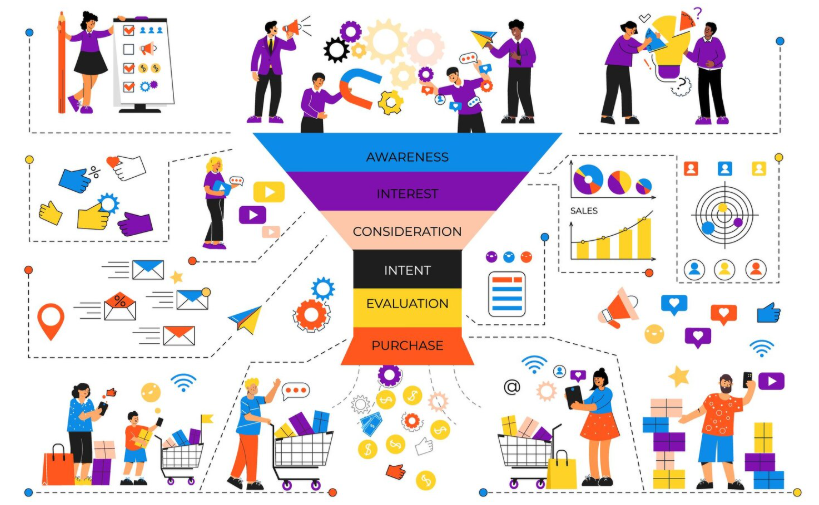
2. Automating Lead Management 🔄
- Automate nurturing with email sequences.
- Segment leads by engagement, prioritizing high-interest prospects.
3. Tracking and Reporting 📊
- Monitor lead progression and conversion rates.
- Generate reports to track ROI and optimize strategies.
📌 Conclusion – Streamlining Your Supply Chain Sales Pipeline with Apollo.io 🚀📈
Incorporating Apollo.io into your supply chain sales process helps you identify the right decision-makers, engage them with personalized outreach, and track your success all in one platform.
By using Apollo’s powerful sales intelligence tools:
- You can build targeted lead lists based on industry, role, and company size.
- Engage with prospects more effectively through personalized and multi-channel outreach.
- Track engagement and optimize your outreach efforts for better conversion rates.
Integrating Apollo with your CRM and sales stack ensures seamless lead management from prospecting to closing. Apollo makes the process more efficient, ensuring you’re focusing on high-value leads that are ready to convert.
Start leveraging Apollo.io today to streamline your supply chain sales pipeline and boost conversions! 🚀
“Related Articles”
- How to Integrate Apollo.io with CRM Tools
- Understanding Apollo.io Filters: Industry, Role, Company Size & Location
FAQs
1: How does Apollo.io help with lead generation for supply chain businesses?
Answer: Apollo.io enables targeted lead generation by using advanced filters to identify key decision-makers in supply chain industries, helping businesses like ShipChain focus their outreach efforts.
2: Can Apollo.io integrate with CRM systems?
Answer: Yes, Apollo.io integrates seamlessly with popular CRMs like Salesforce and HubSpot, allowing supply chain teams to sync leads and streamline their sales process.
3: How does Apollo.io improve outreach efforts for supply chain sales teams?
Answer: Apollo.io helps personalize outreach through enriched data, multi-channel communication, and automated sequences, making it easier to engage with the right prospects effectively.
4: What types of roles can be targeted using Apollo.io for supply chain solutions?
Answer: Apollo.io allows targeting of roles such as logistics managers, supply chain directors, procurement specialists, and more, ensuring the right decision-makers are engaged.
5: How does Apollo.io track lead engagement?
Answer: Apollo.io tracks key metrics like open rates, click-through rates, and replies, providing sales teams with insights to prioritize high-interest leads and optimize outreach strategies.

Chris Fryer is a seasoned leader in the logistics and supply chain industry, known for his pioneering work in integrating blockchain and AI into global supply chain solutions. With more than 15 years of experience, Chris has played a key role in transforming freight tracking, delivery processes, and overall supply chain efficiency.
His expertise lies in leveraging cutting-edge technologies to drive innovation and sustainability within the logistics sector. Through his vision, he has helped shape a future where smarter, more transparent systems enhance supply chain management across industries worldwide. Chris remains dedicated to advancing the future of logistics through continuous technological advancements.