
In today’s highly competitive supply chain industry, businesses are increasingly turning to data-driven strategies to enhance their sales outreach and connect with key decision-makers. As more supply chain companies adopt digital tools and automated systems, having access to reliable, high-quality data becomes essential for scaling operations and improving lead generation efforts.
Why Data-Driven Outreach is Crucial:
- Traditional methods of cold calling and manual prospecting are not only time-consuming but also inefficient.
- The global supply chain landscape is becoming more complex, with many players involved in different regions, industries, and roles. For sales teams, it’s crucial to identify targeted prospects quickly and accurately to avoid wasting time on unqualified leads.
- Data-driven outreach allows businesses to automate lead generation, personalize communication, and reach the right people at the right time, improving both sales efficiency and conversion rates.
🔹 Why Apollo.io and ShipChain SCM Make the Perfect Pair for Supply Chain Outreach:
- Apollo.io is a sales intelligence platform that provides real-time contact information and email scraping tools. It allows businesses to gather high-quality leads by filtering prospects based on specific job roles, industries, and locations.
- ShipChain SCM offers real-time logistics management solutions, including route optimization, fleet management, and supply chain visibility. By integrating Apollo.io’s data into the ShipChain SCM platform, companies can target the right decision-makers who are responsible for logistics, procurement, and warehouse management, significantly improving the efficiency of outreach.
Together, this integration helps sales teams optimize their outreach campaigns by automating data collection and enabling personalized communication with prospects who are most likely to convert.
📌 Overview of Apollo.io and ShipChain SCM
To understand the power of integrating Apollo.io with ShipChain SCM, it’s important to first take a look at what each tool offers and how they function independently to support supply chain businesses.
🔹Apollo.io 🚀📧
Apollo.io is a comprehensive sales intelligence and email scraping platform designed to help businesses generate high-quality leads and automate outreach. Its main features include:
- Email scraping:
Apollo.io helps businesses scrape email addresses of key decision-makers in any industry, including supply chain and logistics. - Advanced search filters:
Users can filter leads by industry, role, company size, location, and more to find the perfect prospects. - Sales automation:
Apollo.io integrates with CRMs and email platforms to help automate follow-ups and nurture leads through personalized email outreach.
For supply chain companies, Apollo.io is a powerful tool to gather targeted contacts like logistics managers, procurement specialists, and warehouse managers key decision-makers in the supply chain industry. It allows sales teams to focus their efforts on high-value leads rather than wasting time on manual research.
🔹ShipChain SCM 🚚📦
ShipChain SCM is a real-time logistics and supply chain management platform designed to optimize the movement of goods across various stages of the supply chain. Its features include:
- End-to-end visibility:
ShipChain SCM provides businesses with a comprehensive view of their supply chain operations, helping them monitor deliveries, inventory, and shipments in real-time. - Route optimization:
It uses data to optimize delivery routes, ensuring that shipments are delivered on time, with cost-saving and efficiency in mind. - Fleet management:
ShipChain allows businesses to manage their vehicle fleets effectively, reducing operational costs and improving delivery speed.
By integrating Apollo.io with ShipChain SCM, companies can use sales data to directly target the right decision-makers involved in logistics, procurement, and operations. This integration streamlines the process of lead generation and customer outreach, enabling data-driven sales strategies.
🔹Benefits of Combining Apollo.io and ShipChain SCM:
- Automated Lead Generation:
Apollo.io scrapes high-quality contact data, and ShipChain SCM uses this data to target key supply chain professionals for outreach. - Improved Sales Efficiency:
Integrating Apollo.io’s sales intelligence into ShipChain’s logistics platform helps businesses scale operations while enhancing their sales funnel. - Personalized Communication:
By using Apollo.io’s data, companies can personalize outreach and boost response rates.
📌 How the Integration Works Between Apollo.io and ShipChain SCM 🔗📈
Integrating Apollo.io with ShipChain SCM combines the power of sales intelligence with real-time logistics management, enabling businesses to streamline their lead generation and sales outreach efforts. Let’s break down how this integration works and how it helps supply chain companies unlock the full potential of their data.
1. Syncing Lead Data from Apollo.io to ShipChain SCM 📤📊
The first step in the integration process is syncing lead data gathered by Apollo.io into the ShipChain SCM system. This is done through CRM integrations, where Apollo.io’s scraped contacts (such as logistics managers, supply chain directors, and warehouse heads) are directly added into ShipChain’s CRM.

- How it works:
- Apollo.io scrapes emails and contact data based on specific filters (e.g., industry, role, location).
- The data is then automatically synced with ShipChain SCM, so sales teams don’t have to manually input this information.
This saves time and ensures that no leads are missed, allowing sales reps to focus on outreach and conversion instead of data entry.
2. Automating Outreach and Sales Campaigns 📧🤖
Once the leads are synced into ShipChain SCM, the next step is to automate the outreach process. Apollo.io provides sales teams with the ability to set up automated email campaigns targeting prospects that are most likely to convert.
- How it works:
- ShipChain SCM can automate follow-up emails for each lead, ensuring timely outreach to each contact.
- Using Apollo.io’s sales data, ShipChain SCM can set up drip campaigns, sending personalized messages based on industry, role, and needs.
For example, ShipChain SCM might send an initial outreach email to a logistics manager in the e-commerce industry, offering a real-time tracking solution for their deliveries. If the lead engages, follow-up emails can offer free consultations or demos.
3. Tracking Engagement and Optimizing Outreach 📊🔍
Both Apollo.io and ShipChain SCM offer tracking features to monitor how well the sales outreach is performing. This data can be used to refine outreach strategies and increase conversion rates.
- How it works:
- Apollo.io tracks metrics like open rates, click-through rates, and reply rates for the emails sent.
- ShipChain SCM can integrate this engagement data to adjust their sales approach, ensuring that follow-up emails are sent at the right time and that the messaging is personalized and relevant.
By continuously analyzing lead behavior, sales teams can further optimize their email outreach to improve engagement and conversion rates.
4. Using Data Insights for Real-Time Sales Adjustments 📈⚡
The real-time integration between Apollo.io and ShipChain SCM allows for instant adjustments based on the data insights gathered. Sales reps can see which leads are interested, which ones are not engaging, and which ones are ready for a follow-up or final sale.
- How it works:
- ShipChain SCM’s CRM can show real-time lead status, such as whether the lead has opened the email, clicked on a link, or requested a demo.
- Apollo.io’s data allows ShipChain SCM to prioritize the most promising leads, ensuring the sales team focuses on the highest-converting prospects.
By using these insights, ShipChain SCM can automate the sales process even further and ensure that their outreach is data-driven and targeted.
As the supply chain industry becomes more data-driven, technologies like blockchain are playing an increasing role in improving security and traceability. When integrated with Apollo.io, ShipChain SCM can harness the power of both data insights and blockchain technology to streamline outreach efforts and ensure data accuracy and transparency. Discover if blockchain is the right fit for your supply chain here.
📌 Benefits of Integrating Apollo.io with ShipChain SCM for Lead Generation 📊🚀
Integrating Apollo.io with ShipChain SCM brings a wealth of benefits to supply chain companies looking to streamline their sales efforts, improve lead generation, and scale their outreach. This integration is not just about combining two tools it’s about unlocking the full potential of sales data and logistics solutions to improve efficiency and drive growth.
1. Streamlined Lead Generation and Prospect Targeting 🎯📈
One of the biggest advantages of this integration is the ability to automate and streamline the lead generation process. Rather than spending hours manually searching for contacts, Apollo.io does the heavy lifting by scraping emails and gathering prospect data based on highly specific filters such as role, industry, and location. This means that ShipChain SCM sales teams can:
- Target only qualified prospects that fit their ideal customer profile (ICP).
- Automate data entry by syncing Apollo.io’s lead data directly into the ShipChain SCM CRM.
This process reduces manual effort, improves targeting, and ensures that sales teams focus on the most valuable leads in the supply chain sector.
2. Increased Outreach Efficiency Through Automation ⚙️📧
The integration of Apollo.io with ShipChain SCM also automates outreach, which significantly boosts sales efficiency. Once the leads are scraped, ShipChain SCM can automatically send personalized emails to targeted contacts. This process eliminates the need for sales reps to manually draft each message and allows them to:
- Reach more leads in less time.
- Focus on higher-value tasks, such as closing deals or building relationships.
- Automatically schedule follow-up emails based on engagement metrics like opens or click-through rates.
This level of automation helps ShipChain SCM optimize its sales funnel, ensuring that no lead is left unattended and that the team can scale their outreach efforts without additional resources.

3. Data-Driven Decisions for Improved Sales Strategies 📊💡
Integrating Apollo.io’s sales intelligence tools with ShipChain SCM offers a significant advantage in making data-driven decisions. The integration provides insights into which leads are engaging, which emails are being opened, and where prospects are in the buying journey. This data allows sales teams to:
- Prioritize leads based on engagement levels and sales readiness.
- Adjust messaging based on real-time insights to ensure maximum relevance.
- Track ROI on outreach efforts, understanding which campaigns are most effective.
For ShipChain SCM, this means the ability to continuously refine and improve their sales outreach, driving better conversion rates and reducing wasted effort.
4. Improved Customer Relationship Management (CRM) 📅🤝
By integrating Apollo.io with ShipChain SCM’s CRM, businesses can better manage customer relationships and streamline lead nurturing. Here’s how:
- Data syncs seamlessly: With Apollo.io, ShipChain SCM automatically imports contact information, industry details, and past engagement data into its CRM, so sales teams can have a holistic view of each lead.
- Segmentation: Sales teams can use CRM features to segment leads into groups based on criteria such as buying behavior, region, or industry, helping them tailor communication more effectively.
- Tracking: ShipChain SCM can track the entire customer journey, from initial contact through to deal closure, ensuring no lead falls through the cracks.
By optimizing CRM workflows, sales teams can maintain stronger customer relationships, ensuring that potential clients are nurtured properly until they are ready to convert.
5. Scalability for Growing Supply Chain Companies 📈🌍
As supply chain businesses scale, they often face challenges in managing a growing pipeline of prospects and leads. The integration of Apollo.io with ShipChain SCM allows companies to grow their outreach efforts without compromising on quality or personalization:

- Targeting new markets: As your sales teams expand into new regions or industries, Apollo.io allows them to find the right leads and tailor outreach accordingly.
- Increased outreach volume: With automated email campaigns and a streamlined lead generation process, ShipChain SCM can handle higher volumes of leads, all while maintaining personalized outreach.
This scalability is particularly valuable for businesses in supply chain management that need to expand rapidly while maintaining the efficiency and accuracy of their sales processes.
📌 Real-World Use Cases: How ShipChain SCM Leverages Apollo.io for Outreach 📧🤝
Integrating Apollo.io with ShipChain SCM has provided real, measurable benefits for companies looking to enhance their sales outreach and lead generation. By combining sales data from Apollo.io with ShipChain SCM’s logistics and supply chain solutions, businesses can target the right decision-makers and accelerate the sales process.
Let’s look at some real-world use cases and examples of how ShipChain SCM has successfully used this integration to optimize lead generation and outreach in the supply chain industry.
1. Targeting Key Logistics Decision-Makers for Last-Mile Delivery Solutions 🚚💼
Problem:
ShipChain SCM provides last-mile delivery solutions, which are crucial for e-commerce businesses, yet finding the right decision-makers in logistics companies could be a challenge.
Solution:
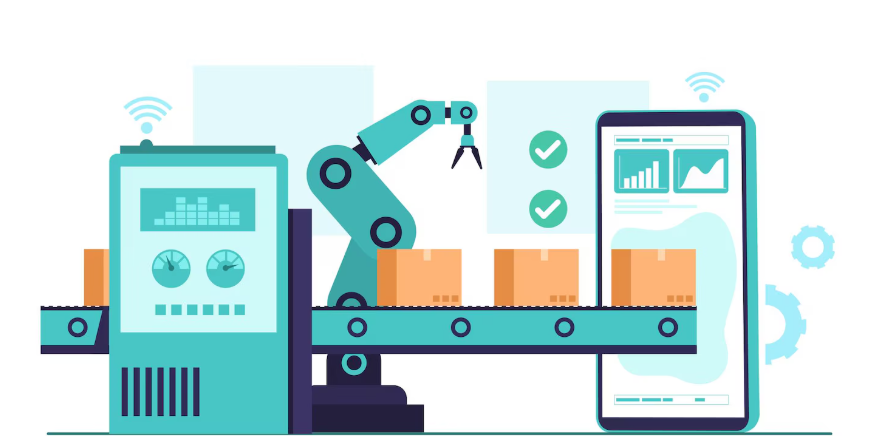
By integrating Apollo.io, ShipChain SCM is able to scrape email contacts of logistics managers and supply chain directors in the e-commerce sector, and automatically add them to their CRM. The team can then use Apollo.io’s data to reach out to these key contacts, offering optimized delivery routes and real-time tracking solutions tailored to their needs.
Outcome:
With Apollo’s automated lead generation, ShipChain SCM saw an increase in targeted outreach efficiency, leading to more personalized emails and higher conversion rates in the logistics sector.
2. Automating Outreach for Inventory Management Solutions in Manufacturing 🏭📈
Problem:
ShipChain SCM also provides inventory management solutions, but manually searching for and reaching out to procurement managers in manufacturing was both slow and inefficient.
Solution:
Using Apollo.io’s advanced filters, ShipChain SCM was able to scrape leads specifically from manufacturers that needed supply chain optimization. By integrating Apollo’s sales data into their CRM, they could set up automated follow-up emails and reminder sequences targeting procurement directors and supply chain managers.
Outcome:
The integration helped ShipChain SCM reach more relevant leads, nurture them over time, and ultimately close more deals by automating the sales cycle. This resulted in improved operational efficiency and lead conversion.
3. Improving International Outreach for Global Supply Chain Solutions 🌍💡
Problem:
As ShipChain SCM expanded into international markets, it faced difficulties in finding qualified international leads who required global supply chain solutions.
Solution:
By utilizing Apollo.io’s geographical targeting filters, ShipChain SCM was able to specifically focus on international prospects across regions such as Europe, Asia, and Latin America. They customized their outreach emails, offering real-time tracking, global route optimization, and scalable logistics solutions tailored to international clients.

Outcome:
This targeted approach led to an increase in successful cross-border sales and a faster global expansion, with Apollo.io helping ShipChain SCM build relationships with international logistics professionals more efficiently.
4. Enhancing Customer Acquisition for E-commerce Clients with Real-Time Tracking Solutions 🛒📦
Problem:
E-commerce companies face difficulties in ensuring on-time delivery and inventory visibility, but finding e-commerce decision-makers was a challenge for ShipChain SCM.
Solution:
By integrating Apollo.io’s email scraping tools, ShipChain SCM could identify e-commerce logistics managers and supply chain heads, scrape their contact information, and start an automated outreach campaign that showcased real-time inventory tracking and delivery optimization.
Outcome:
This integration led to higher engagement with e-commerce businesses, improved lead quality, and increased customer acquisition by offering tailored logistics solutions based on the needs of each e-commerce prospect.
5. Streamlining Lead Nurturing for Warehouse Optimization Clients 🏢📈
Problem:
ShipChain SCM offers warehouse optimization services, but it needed a better way to follow up with warehouse managers and operations heads who initially showed interest.
Solution:
Apollo.io helped ShipChain SCM scrape emails and set up drip email campaigns for warehouse managers. By sending personalized emails and automated follow-ups based on previous engagement and specific needs, ShipChain SCM was able to nurture leads through the sales cycle without any manual effort.
Outcome:
With the automated nurturing system, ShipChain SCM saw a rise in sales conversions from warehouse optimization leads. The ability to send targeted, relevant content helped maintain engagement and keep the leads moving down the sales funnel.
📌 Step-by-Step Guide to Integrating Apollo.io with ShipChain SCM 📅🔧
Integrating Apollo.io with ShipChain SCM can significantly improve your lead generation and sales outreach. Below is a step-by-step guide to help businesses integrate Apollo.io with ShipChain SCM using the ShipChain API to streamline lead management and data synchronization.
1. Create Accounts and Set Up Integrations for Apollo.io and ShipChain SCM 🛠️🔗
Before you can integrate Apollo.io with ShipChain SCM, both systems need to be set up properly.
Steps:
- Create an Apollo.io account: Go to the Apollo.io website and sign up for an account. You’ll need a subscription that fits your business needs (e.g., premium for advanced scraping features).
- Create a ShipChain SCM account: Sign up for ShipChain SCM if you don’t have an account. ShipChain offers logistics solutions through its platform, which you can integrate with Apollo.io using the ShipChain API.
Once both accounts are created, you’re ready to move forward with the integration.
2. Sync Lead Data from Apollo.io to ShipChain SCM’s CRM Using ShipChain API 📤🖥️
Now that both accounts are set up, the next step is to sync lead data gathered by Apollo.io into ShipChain SCM using the ShipChain API.
Steps:
- Access ShipChain API: Log in to your ShipChain SCM account, and go to the API section to obtain your API keys.
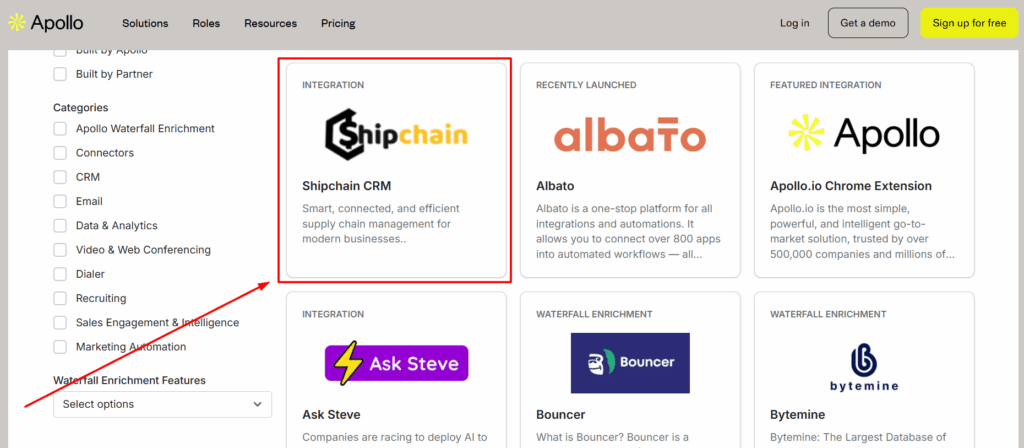
- Connect Apollo.io with ShipChain SCM’s API: In Apollo.io, navigate to the CRM integration section and look for ShipChain SCM. Use the API keys provided by ShipChain to establish the connection between the two platforms.
- Data Sync: Choose the data fields you want to sync, such as name, email, company, industry, and role. This ensures Apollo.io’s scraped leads are accurately imported into ShipChain SCM.
Once connected, the ShipChain API will allow the seamless transfer of lead data, ensuring you have access to up-to-date and qualified prospects in your ShipChain CRM.
3. Set Up Lead Scraping and Filtering in Apollo.io 🔍📧
After syncing the integration, you can now set up lead scraping and advanced filtering in Apollo.io to collect the right prospects for ShipChain SCM.
Steps:
- Custom filters: In Apollo.io, create custom filters to target supply chain decision-makers. You can filter by:
- Industry: Logistics, warehousing, transportation, etc.
- Role: Procurement director, logistics manager, warehouse operations head.
- Location: Region-specific targeting (local, national, global).
- Scrape contacts: Once your filters are set, Apollo.io will begin scraping contact data based on your selected criteria.
- Sync to ShipChain SCM: The scraped data will automatically be synced to ShipChain SCM’s CRM via the ShipChain API.
4. Automate Outreach Using ShipChain SCM’s CRM 📧⚙️
With leads now synced into ShipChain SCM’s CRM, the next step is to automate the outreach process. This helps your sales team save time and engage with leads efficiently.
Steps:
- Set up email templates: Create personalized email templates in ShipChain SCM for each type of lead (e.g., logistics managers, supply chain directors).
- Automated follow-ups: Using the API connection, you can automate follow-up emails based on prospect engagement (e.g., if they opened an email but didn’t respond).
- Sync engagement data: Track email opens, clicks, and responses within ShipChain SCM’s CRM, allowing your team to prioritize high-engagement leads.
This level of automation enables ShipChain SCM to manage outreach more effectively, ensuring sales teams can focus on closing deals rather than manually tracking each prospect.
To ensure your automated outreach is both efficient and effective, follow proven outreach automation best practices that focus on personalization, timing, and sequencing.
5. Monitor and Optimize the Integration 📊🔍
Once the integration is in place, it’s essential to monitor and optimize the process to ensure continued success.
Steps:
- Monitor data flow: Ensure that the data sync between Apollo.io and ShipChain SCM is happening smoothly. If there are any discrepancies, double-check the API settings and ensure both accounts are updated.
- Engagement metrics: Monitor metrics such as open rates, click-through rates, and lead conversions within ShipChain SCM.
- Refine filters: Use the data from your outreach campaigns to refine your lead filters in Apollo.io. For example, if certain regions are generating more leads, adjust your filters to target more prospects in that area.
6. Troubleshooting and Maintenance 🔧⚠️
Integrations sometimes come with challenges, so it’s important to address potential issues quickly.
Common issues and solutions:
- Data sync errors: If you notice that Apollo.io’s lead data isn’t syncing properly with ShipChain SCM, ensure that your API keys are active and correctly entered in both platforms.
- Low engagement: If your email engagement is low, try A/B testing subject lines, message tone, or timing of emails.
📌 Common Issues and Troubleshooting Tips for the Apollo and ShipChain SCM Integration ⚠️🛠️
Integrating Apollo.io with ShipChain SCM can improve sales outreach, but like any integration, issues may arise. Here’s a quick guide to help troubleshoot common problems:
1. Data Sync Errors Between Apollo.io and ShipChain SCM 🔄📉
Issue:
Data may not sync properly, leading to missing or incorrect information.
Solution:
- Check API Keys: Ensure they are correctly configured.
- Test Sync: Manually sync to check data flow.
- Re-authorize if sync fails.
2. Low Email Engagement 📉📧
Issue:
Low open rates or click-through rates from outreach emails.
Solution:
- Refine Filters: Narrow targeting to more relevant roles and industries.
- A/B Test Emails: Experiment with subject lines and CTAs.
- Optimize Timing: Test different times and days for sending emails.

3. Missing or Inaccurate Data 🛠️❌
Issue:
Scraped data might be incomplete or incorrect.
Solution:
- Data Enrichment: Use Apollo.io’s enrichment tools to improve data.
- Check Filters: Adjust filters to improve data accuracy.
4. Slow Integration Setup or Data Sync ⏳🔄
Issue:
Delayed data sync between platforms.
Solution:
- Increase Sync Frequency: Adjust settings to speed up sync.
- Reconnect APIs: Re-enter keys or settings if sync is slow.
5. Managing Multiple Integrations 🔗🛠️
Issue:
Multiple tool integrations may cause conflicts or slow data flow.
Solution:
- Centralized Hub: Use an integration platform to manage all tools.
- Document Settings: Keep a record of configurations for easy troubleshooting.
📌 Conclusion – Why Integrating Apollo.io with ShipChain SCM Drives Supply Chain Sales Success 📈💡
Integrating Apollo.io with ShipChain SCM offers a powerful solution for scaling supply chain sales through data-driven outreach. Here’s why this integration is a game-changer:
1. Boosted Lead Generation:
Apollo.io helps scrape high-quality leads by targeting the right decision-makers. Syncing this data with ShipChain SCM ensures faster, more accurate outreach.
2. Automated Outreach:
By automating email campaigns and follow-ups, the integration frees up time for sales teams to focus on converting leads, improving sales efficiency.
3. Smarter Decision-Making:
With real-time data insights from Apollo.io, businesses can optimize sales strategies and target the most relevant prospects, leading to higher conversions.
4. Scalable Operations:
As your business grows, this integration lets you scale your outreach without losing quality. More leads, more conversions, faster growth!
🔹Key Takeaway:
The Apollo + ShipChain SCM integration brings together the best of sales intelligence and logistics management, allowing businesses to automate lead generation and maximize sales. It’s the data-driven solution for supply chain companies aiming for faster growth and greater efficiency.
“Related Articles”
- Why Sales Data is Key to Scaling Supply Chain Operations
- How Apollo Scrapes Emails for Supply Chain Lead Generation?
FAQs
1. What is the benefit of integrating Apollo.io with ShipChain SCM?
Integrating Apollo.io with ShipChain SCM helps automate lead generation and sales outreach, allowing businesses to target the right decision-makers in the supply chain industry and streamline outreach efforts.
2. How does Apollo.io scrape emails for lead generation?
Apollo.io uses advanced algorithms to scrape publicly available contact data from companies, providing sales teams with high-quality leads based on industry, role, and location.
3. Can I automate email outreach with ShipChain SCM?
Yes, ShipChain SCM allows you to automate email outreach by syncing Apollo.io’s lead data and using automated follow-up sequences for targeted sales campaigns.
4. What types of supply chain professionals can Apollo.io help target?
Apollo.io helps target key supply chain decision-makers such as logistics managers, procurement heads, warehouse managers, and supply chain directors.

Chris Fryer is a seasoned leader in the logistics and supply chain industry, known for his pioneering work in integrating blockchain and AI into global supply chain solutions. With more than 15 years of experience, Chris has played a key role in transforming freight tracking, delivery processes, and overall supply chain efficiency.
His expertise lies in leveraging cutting-edge technologies to drive innovation and sustainability within the logistics sector. Through his vision, he has helped shape a future where smarter, more transparent systems enhance supply chain management across industries worldwide. Chris remains dedicated to advancing the future of logistics through continuous technological advancements.