
In the fast-paced world of supply chain management, data is no longer just a tool for measuring outcomes it’s the key driver for enhancing efficiency and supporting growth.
Companies that can harness sales data effectively are in a prime position to not only optimize operations but also scale their supply chain functions to meet ever-evolving market demands.
The shift toward data-driven decision-making has become crucial for businesses looking to stay competitive. In particular, sales data which encompasses insights into customer behavior, demand trends, and market fluctuations gives businesses the ability to predict future trends and respond quickly to changes in the market.
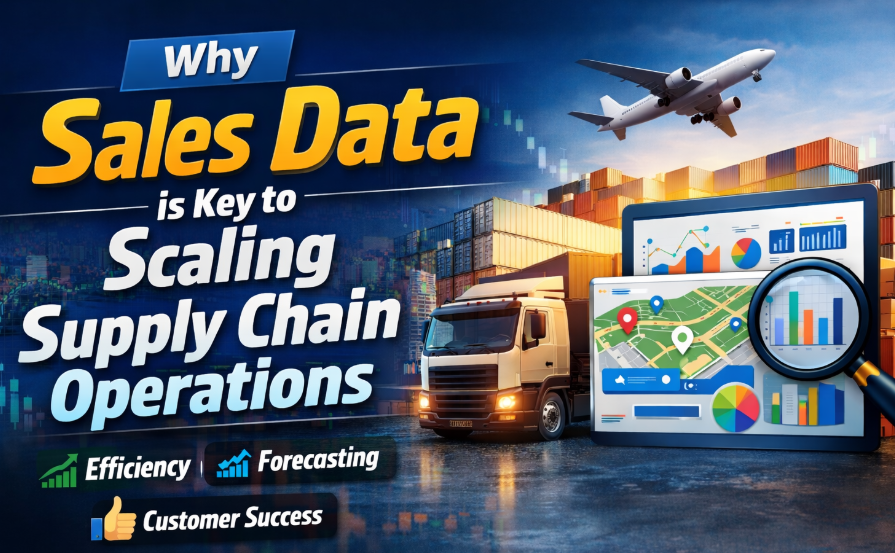
For companies like ShipChain SCM, which specializes in real-time supply chain management, integrating sales data allows for proactive management of logistics, warehouse operations, and distribution networks.
This leads to smarter planning, more accurate forecasting, and the ability to scale operations efficiently.
With sales data becoming central to supply chain operations, businesses are able to:
- Identify market trends before they emerge.
- Optimize inventory and order fulfillment to meet customer demand.
- Forecast future sales and adjust operations accordingly.
📌 The Impact of Sales Data on Supply Chain Efficiency 🔄📦
Supply chain efficiency isn’t about working harder; it’s about working smarter. Sales data serves as the intelligence layer that makes smart operations possible, touching every aspect of the supply chain from inventory management to order fulfillment.
1. Inventory Management Optimization 📦
One of the most significant impacts of sales data appears in inventory management. Traditional approaches relied on historical averages and seasonal patterns, often leading to either stockouts that frustrated customers or excess inventory that tied up capital and warehouse space. Sales data changes this equation entirely.

By analyzing real-time and historical sales patterns, supply chain managers can:
- Identify fast-moving versus slow-moving SKUs to optimize stock levels accordingly
- Detect emerging trends early before they become demand surges
- Calculate optimal reorder points based on actual consumption patterns rather than estimates
- Reduce safety stock requirements through better demand predictability
- Minimize obsolescence costs by identifying declining product demand
For example, if sales data reveals that a particular product experiences a 30% sales increase every third week of the month, warehouses can proactively adjust stock levels to meet this predictable pattern, eliminating both stockouts and unnecessary carrying costs during slower periods.
2. Order Fulfillment Enhancement ✅
Sales data directly improves order fulfillment accuracy and speed. By understanding which products are frequently ordered together, companies can optimize warehouse layouts to place complementary items near each other, reducing pick times. Sales velocity data helps prioritize picking zones, ensuring high-turnover items are most accessible.
Additionally, sales data enables:
- Predictive picking: Preparing orders before they’re placed based on anticipated demand
- Batch optimization: Grouping similar orders for more efficient processing
- Resource allocation: Scheduling warehouse staff based on predicted order volumes
- Quality control improvements: Identifying patterns in returns or customer complaints
3. Warehouse Optimization 🏢
Beyond inventory levels, sales data informs strategic warehouse decisions. Companies can use this information to determine optimal warehouse locations based on customer concentrations, identify which distribution centers should stock which products, and even decide when to expand or consolidate warehouse facilities.
Real-time sales data also enables dynamic warehouse operations where slotting strategies (the placement of products within the warehouse) automatically adjust based on current demand patterns. This ensures that the most popular items during any given period are always positioned for fastest retrieval, maximizing throughput without requiring manual reorganization.
The cumulative effect of these efficiency gains is substantial. Companies that effectively leverage sales data for operational optimization typically see inventory carrying costs decrease by 15-25%, order fulfillment times improve by 20-35%, and warehouse productivity increase by 10-20%. These aren’t marginal improvements—they represent transformational changes that directly impact profitability and scalability.
📌 Identifying Market Trends: Using Sales Data to Predict Future Supply Chain Needs 📉📈
The ability to anticipate rather than react separates industry leaders from followers. Sales data provides the predictive intelligence that enables supply chain companies to stay ahead of market changes and position themselves strategically for emerging opportunities.
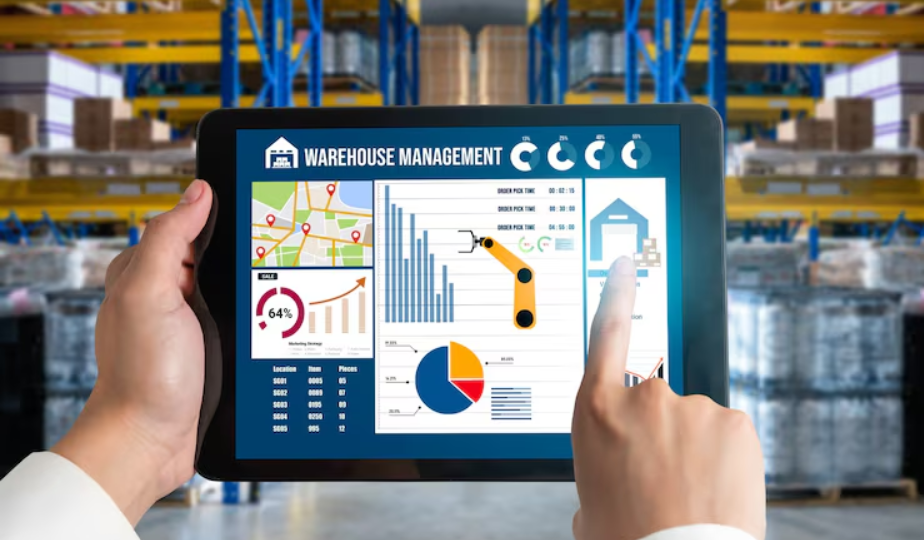
🔹Demand Forecasting and Trend Analysis 📊
Sales data forms the foundation of accurate demand forecasting. By applying analytics to historical sales patterns, companies can identify:
- Seasonal fluctuations: Understanding annual cycles allows for proactive capacity planning
- Growth trajectories: Recognizing whether demand is accelerating, stable, or declining
- Product lifecycle stages: Identifying when products are entering maturity or decline phases
- Geographic variations: Understanding regional demand differences to optimize distribution networks
- Customer segment behaviors: Recognizing how different customer types purchase and consume products
Advanced analytics techniques, including machine learning algorithms, can process vast amounts of sales data to detect subtle patterns that human analysis might miss. These systems can identify micro-trends small shifts in purchasing behavior that signal larger market movements on the horizon.
🔹Market Sensitivity and Responsiveness 🎯
Sales data doesn’t just show what happened; it reveals why market conditions are changing. By correlating sales patterns with external factors—economic indicators, competitor actions, marketing campaigns, or even weather patterns companies develop a nuanced understanding of market dynamics.
This insight enables supply chain leaders to:
- Adjust procurement strategies before supply shortages occur
- Reallocate inventory across distribution networks as regional demand shifts
- Prepare for product launches with data-backed predictions rather than hopeful estimates
- Identify declining products early enough to liquidate inventory strategically
- Spot market gaps where new products or services could fill unmet demand
For instance, if sales data reveals that certain product categories consistently spike during specific economic conditions or events, supply chain teams can monitor leading indicators and prepare inventory accordingly, ensuring they capture maximum market share during high-demand periods.
🔹Competitive Intelligence 🔍
While sales data primarily reflects your own business performance, it also provides indirect insights into competitive dynamics. Sudden changes in your sales patterns particularly losses in market share can indicate competitor actions like pricing changes, new product introductions, or enhanced service offerings. This intelligence allows supply chain teams to work with sales and marketing to develop responsive strategies that protect market position.
Companies that excel at trend identification through sales data gain a critical strategic advantage: time. They make decisions weeks or months ahead of competitors who rely on less sophisticated approaches, allowing them to secure better vendor terms, optimize logistics networks, and capture market opportunities that others miss entirely.
Advanced analytics techniques, including machine learning algorithms, can process vast amounts of sales data to detect subtle patterns. Research on demand forecasting methods shows that AI-powered systems can improve accuracy by 20-50% compared to traditional approaches.
📌 Streamlining Procurement and Vendor Management Using Sales Data 🔗💼
Procurement represents one of the largest cost centers in supply chain operations, typically accounting for 60-70% of total expenses. Sales data provides the intelligence needed to transform procurement from a transactional function into a strategic driver of efficiency and cost savings.

1️⃣ Data-Driven Procurement Optimization 💰
Sales data fundamentally changes how companies approach procurement decisions. Rather than placing orders based on instinct, historical purchasing patterns, or vendor minimum order quantities, procurement teams can make evidence-based decisions that align precisely with actual consumption patterns.
Key procurement benefits include:
- Optimal order quantities: Calculating economically optimal order sizes that balance ordering costs against carrying costs based on real demand
- Strategic timing: Placing orders at ideal intervals that minimize both stockout risk and excess inventory
- Category management: Understanding which product categories deserve the most attention and resources
- Supplier consolidation opportunities: Identifying where volume can be concentrated with fewer vendors for better negotiating leverage
- Make-versus-buy decisions: Using demand predictability to evaluate vertical integration opportunities
For example, if sales data shows consistent, predictable demand for certain components, a company might negotiate long-term contracts with volume commitments in exchange for price concessions. Conversely, for items with volatile or declining demand, flexible spot-buying arrangements might prove more cost-effective.
2️⃣ Enhanced Vendor Relationship Management 🤝
Sales data creates opportunities for more collaborative vendor relationships. By sharing demand forecasts based on sales data with key suppliers, companies can help vendors optimize their own production planning, leading to:
- Better pricing: Vendors can offer more competitive rates when they have visibility into future demand
- Improved reliability: Suppliers can allocate resources to ensure your orders are prioritized
- Innovation partnerships: Vendors become invested in developing products that meet emerging needs revealed in your sales data
- Risk mitigation: Multiple suppliers can be strategically managed based on criticality identified through sales impact analysis
Modern supply chain relationships increasingly resemble partnerships rather than transactional vendor relationships. Sales data provides the foundation for these collaborations by enabling transparent, data-backed communication about future needs and mutual opportunities for optimization.
3️⃣ Cost Control and Budget Predictability 📈
Sales data enables more accurate procurement budgeting and cost control. Finance teams can predict procurement spend with greater confidence when forecasts are based on actual sales patterns rather than estimates. This predictability improves cash flow management, reduces the need for costly expedited shipments, and enables strategic capital allocation.
Additionally, by analyzing the relationship between sales patterns and procurement costs over time, companies can identify cost-efficiency opportunities perhaps certain purchasing patterns consistently yield better unit economics, or specific timing of orders results in lower logistics costs.
The procurement function powered by sales data becomes proactive rather than reactive, strategic rather than tactical, and delivers measurable cost savings that directly impact the bottom line while simultaneously improving supply assurance.
📌 Enhancing Customer Experience with Data-Driven Supply Chain Decisions 🛍️💡
In the modern marketplace, the supply chain isn’t a behind-the-scenes function it’s a direct determinant of customer satisfaction. Sales data enables supply chain operations to align precisely with customer expectations, creating experiences that drive loyalty and competitive differentiation.

1. Delivery Speed and Reliability 🚚
Sales data reveals customer preferences and expectations regarding delivery. By analyzing purchase patterns, companies can identify which customer segments prioritize speed versus cost, which products customers expect to receive quickly, and which delivery time frames maximize conversion rates.
This intelligence enables:
- Strategic inventory positioning: Placing high-velocity items closer to major customer concentrations
- Delivery option optimization: Offering the right mix of express, standard, and economy options based on what customers actually choose
- Promise accuracy: Setting realistic delivery expectations based on actual fulfillment performance data
- Proactive exception management: Identifying potential delays before they impact customers
When customers consistently receive orders on time or ahead of schedule, satisfaction scores increase dramatically. Sales data makes this reliability possible by ensuring the supply chain is designed around actual customer behavior rather than assumptions.
2. Personalization and Customization ✨
Sales data enables personalized supply chain experiences. By understanding individual customer purchasing patterns, companies can:
- Predict reorder timing: Reaching out proactively when customers are likely to need replenishment
- Recommend complementary products: Ensuring suggested items are actually in stock for immediate fulfillment
- Customize packaging and presentation: Tailoring the unboxing experience based on customer preferences revealed through purchase history
- Offer personalized promotions: Ensuring promotional items are available in locations where interested customers can receive them quickly
3. Real-Time Visibility and Communication 👁️
Today’s customers expect transparency. Sales data helps companies determine which customers value tracking information most highly and which communication channels they prefer. This enables targeted investment in visibility technologies where they’ll deliver the greatest satisfaction impact.
Moreover, sales data combined with operational data enables proactive customer communication. If sales patterns indicate a particular customer segment experiences higher returns or service issues, supply chain teams can implement additional quality checks or enhanced packaging specifically for those orders, preventing problems before they occur.
4. Returns Management Excellence 🔄
Returns represent a critical touchpoint that significantly impacts customer loyalty. Sales data helps optimize the returns experience by:
- Identifying return patterns: Understanding which products, customer segments, or scenarios generate returns
- Reverse logistics optimization: Positioning return processing capabilities based on return volume concentrations
- Quality improvement: Feeding return reasons back into procurement and quality control processes
- Refund and replacement speed: Prioritizing return processing based on customer lifetime value and purchase frequency revealed in sales data
Companies that excel at using sales data to enhance customer experience don’t just satisfy customers they create advocates. These satisfied customers generate positive word-of-mouth, higher lifetime values, and lower customer acquisition costs, creating a virtuous cycle where supply chain excellence directly drives revenue growth.
📌 Scaling Operations: Using Sales Data to Optimize Warehouse and Distribution Channels 🚚🏢
Scaling supply chain operations presents a fundamental challenge: How do you grow capacity and reach without proportionally increasing costs and complexity? Sales data provides the roadmap for intelligent, efficient scaling that maintains or even improves margins as volume increases.
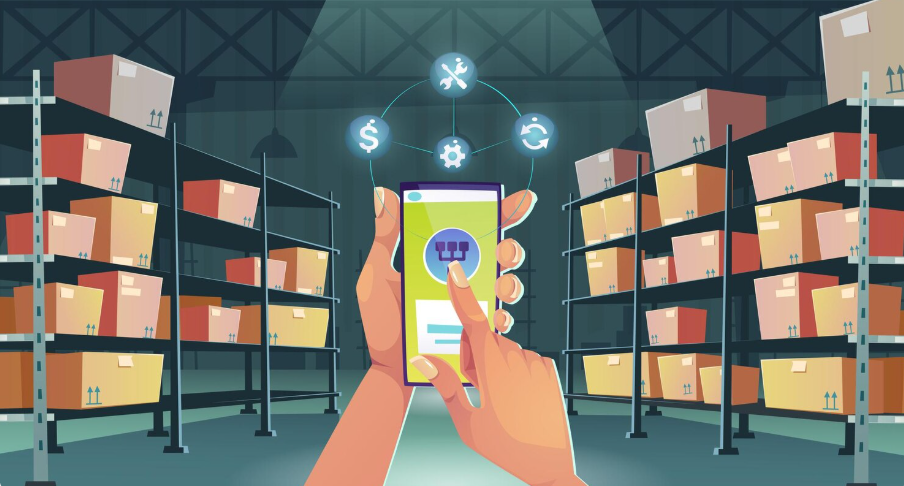
🔹Strategic Warehouse Network Design 🗺️
Sales data reveals where your customers are concentrated and how demand is distributed geographically. This intelligence is invaluable for warehouse network optimization decisions:
- Facility location selection: Opening warehouses in locations that minimize average shipping distance to customers
- Multi-tier distribution strategies: Determining which locations should serve as regional hubs versus local distribution points
- Capacity planning: Sizing facilities appropriately based on current demand plus projected growth
- Specialization opportunities: Identifying whether certain facilities should focus on specific product categories or customer types
For companies experiencing rapid growth, sales data helps avoid costly mistakes. Rather than opening expensive facilities in locations that seem strategically important but lack actual customer concentration, data-driven decisions ensure capital is deployed where it delivers maximum impact.
🔹Distribution Channel Optimization 📦
Sales data illuminates which distribution channels deliver the best economics at different scales. Companies can identify:
- Direct-to-consumer versus wholesale efficiency thresholds: Understanding at what volume each channel becomes optimal
- Last-mile delivery options: Determining when to use parcel carriers versus dedicated fleet versus third-party logistics providers
- Consolidation opportunities: Identifying orders that can be batched for more efficient shipping
- Route optimization: Using delivery location data to design efficient route structures
As businesses scale, the distribution strategy that worked at 100 orders per day may prove inefficient at 1,000 or 10,000 orders. Sales data enables proactive evolution of distribution approaches, ensuring the supply chain scales efficiently rather than becoming increasingly costly as volume grows.
🔹Technology Investment Justification 💻
Scaling often requires technology investments warehouse management systems, transportation management platforms, automation equipment, or advanced analytics tools. Sales data provides the business case for these investments by quantifying:
- Current inefficiency costs: Calculating what current manual or outdated processes cost in labor, errors, and time
- Volume projections: Demonstrating that current systems will reach capacity constraints
- ROI calculations: Showing how efficiency gains will recover technology costs
- Scalability requirements: Identifying which technologies can grow with the business versus those that would need replacement
🔹Capacity Utilization and Flexibility ⚡
Sales data helps optimize capacity utilization ensuring facilities and resources are neither overwhelmed nor underutilized. By understanding demand patterns, companies can:
- Implement dynamic capacity allocation: Shifting resources between facilities or channels based on real-time demand
- Plan for peak seasons: Ensuring adequate temporary capacity is available during high-demand periods
- Identify off-peak optimization opportunities: Finding productive uses for excess capacity during slower periods
- Balance fixed versus flexible resources: Determining the optimal mix of permanent infrastructure versus scalable partnerships
Companies that scale using sales data as their guide achieve something remarkable: They grow revenue faster than they grow costs, improving margins even as complexity increases. This sustainable scaling creates valuation premiums and competitive moats that are difficult for competitors to overcome.
📌 How ShipChain Uses Sales Data to Optimize Supply Chain Operations 🚚📊
ShipChain SCM exemplifies how modern logistics and supply chain management platforms leverage sales data to deliver exceptional operational performance and customer value. As a comprehensive supply chain management solution, ShipChain demonstrates the practical application of data-driven decision-making across the entire logistics ecosystem.
1️⃣ Real-Time Route Optimization 🛣️
ShipChain utilizes sales data to optimize delivery routes dynamically. By analyzing order patterns including delivery locations, order sizes, time sensitivity, and customer preferences the platform generates routes that minimize distance, reduce fuel consumption, and maximize on-time delivery performance.
For example, when sales data reveals that certain geographic areas consistently receive orders on specific days of the week, ShipChain can plan consolidated delivery routes that serve multiple customers efficiently. This approach reduces per-order delivery costs while improving service levels, creating a win-win scenario that becomes increasingly valuable as order volumes scale.
The platform’s route optimization algorithms continuously learn from sales patterns, becoming more sophisticated over time. As new sales data flows into the system, routes automatically adjust to reflect current demand patterns, ensuring that optimization remains effective even as customer behaviors evolve.

2️⃣ Inventory Positioning Intelligence 📍
ShipChain leverages sales data to recommend optimal inventory positioning across multi-location networks. By analyzing where products are selling, at what velocity, and to which customer types, the platform helps businesses decide:
- Which products should be stocked at which facilities
- How much inventory should be positioned at each location
- When to transfer stock between facilities to balance availability
- Where to focus replenishment efforts for maximum impact
This intelligence ensures that inventory is positioned as close as possible to likely demand, reducing shipping distances, accelerating delivery times, and decreasing transportation costs all critical factors for businesses looking to scale efficiently.
3️⃣ Predictive Capacity Planning 📊
ShipChain uses sales data to help logistics partners and carriers plan capacity effectively. By sharing anonymized demand forecasts based on aggregated sales patterns, the platform enables:
- Carrier capacity optimization: Ensuring adequate transportation resources are available when and where needed
- Rate optimization: Securing better pricing through volume commitments based on predictable demand
- Service level improvements: Reducing the likelihood of capacity constraints that lead to delivery delays
- Strategic partnership development: Identifying high-value lanes and routes where dedicated capacity arrangements make sense
4️⃣ Customer Experience Enhancement 🌟
Sales data enables ShipChain to personalize the logistics experience for different customer segments. The platform recognizes that not all customers have identical needs some prioritize speed, others value cost efficiency, and still others focus on sustainability or specialized handling.

By analyzing purchase history and preferences revealed through sales data, ShipChain can:
- Recommend appropriate service levels for each shipment
- Proactively communicate with customers based on their preferred channels and frequency
- Identify customers who would benefit from premium services and make relevant recommendations
- Customize packaging and handling based on product characteristics and customer expectations
5️⃣ Performance Analytics and Continuous Improvement 📈
ShipChain’s platform continuously analyzes the relationship between sales patterns and operational outcomes. This closed-loop analytics approach enables:
- Performance benchmarking: Comparing actual delivery performance against customer expectations revealed in sales data
- Cost-to-serve analysis: Understanding the true profitability of different products, customers, and channels
- Exception identification: Spotting patterns in delays, damages, or other service issues that correlate with specific sales characteristics
- Opportunity discovery: Identifying untapped efficiency opportunities that emerge from sales pattern analysis
For businesses using ShipChain, the result is a supply chain operation that becomes progressively more efficient and customer-centric over time. The platform’s ability to transform sales data into actionable logistics intelligence demonstrates why data-driven supply chain management has become essential for companies seeking to scale while maintaining or improving service quality and cost efficiency.
“Scaling your supply chain operations requires accurate sales data and the right intelligence platform. If you’re looking to integrate Apollo into your workflow, make sure to grab an exclusive Apollo discount from our homepage to maximize your ROI.”
📌 Tracking Performance and Measuring ROI: The Power of Sales Data in Decision-Making 📊📈
Once you have integrated sales data into your supply chain operations, the next step is to track the performance of these operations and measure the return on investment (ROI) to ensure that your data-driven decisions are having the desired impact.

Sales data provides the insights needed to evaluate the effectiveness of your strategies, identify areas for improvement, and adjust tactics as needed.
For businesses like ShipChain SCM, leveraging sales data to track performance metrics can be the difference between maintaining operational efficiency and falling behind competitors. Here’s how sales data plays a key role in this process:
1. Monitoring Key Performance Indicators (KPIs) 📊
Sales data enables you to track critical KPIs that measure the success of your supply chain efforts. These include:
- Order fulfillment rates: Measure how efficiently products are delivered on time.
- Inventory turnover: Track how quickly products are sold and replaced.
- Customer satisfaction levels: Use feedback and delivery performance data to gauge customer happiness.
By continuously measuring these KPIs, ShipChain SCM can make data-backed decisions to fine-tune operations and maximize efficiency.
Understanding and tracking the right supply chain performance indicators is essential for measuring ROI and driving continuous improvement.
2. Calculating ROI 📈
Measuring ROI helps businesses determine if their sales strategies and supply chain investments are paying off. Sales data can help track the costs associated with different initiatives and compare them with the revenue generated. For example:
- Route optimization might require an upfront investment in new software or hardware, but if sales data shows a decrease in delivery times and an increase in customer satisfaction, it’s easy to calculate the return on that investment.
- Warehousing improvements, like better inventory management or automated systems, can be tracked with sales data to measure how much they contribute to reducing operational costs.
3. Identifying Areas for Improvement 🔍
Sales data doesn’t just tell you what’s working it also points out what isn’t. By regularly reviewing sales performance, companies can identify bottlenecks, inefficiencies, or any part of the supply chain that may be underperforming. For instance:
- If ShipChain SCM sees a high rate of order cancellations, it may point to issues in the order fulfillment process that need to be addressed.
- If certain products are consistently out of stock, sales data can highlight the inventory management issues that need correction.
Using sales data to measure performance and track ROI ensures that supply chain businesses are continuously optimizing their operations and investing in strategies that provide the best return.
“Related Articles”
- How to Integrate Apollo.io with CRM Tools
- Using Apollo.io to Engage Key Supply Chain Decision-Makers
📌 Conclusion – Making the Most of Sales Data to Scale Supply Chain Operations 📈🚀
The supply chain industry stands at a transformative inflection point. Traditional approaches based on experience, intuition, and historical averages are giving way to data-driven strategies that deliver unprecedented efficiency, agility, and customer satisfaction. At the center of this transformation sits sales data the critical intelligence that connects customer demand to operational execution.
Throughout this exploration, we’ve seen how sales data impacts every dimension of supply chain operations:

✅ Efficiency improvements through optimized inventory management, warehouse operations, and order fulfillment processes that reduce costs while improving service levels
✅ Predictive capabilities that enable companies to anticipate market trends, adjust strategies proactively, and stay ahead of competitive threats
✅ Procurement optimization that transforms vendor relationships, reduces costs, and ensures supply reliability aligned with actual demand
✅ Enhanced customer experiences delivered through faster shipping, better communication, personalized service, and seamless returns processes
✅ Scalable growth achieved by strategically expanding warehouse networks, distribution channels, and operational capacity in alignment with actual demand patterns
✅ Measurable ROI demonstrated through comprehensive performance tracking that justifies investments and guides continuous improvement
Companies like ShipChain SCM demonstrate the practical application of these principles, showing how modern logistics platforms transform sales data into operational intelligence that drives superior performance across the entire supply chain ecosystem.
Taking Action: Your Sales Data Journey 🚀
For supply chain professionals, operations managers, and business leaders looking to harness the power of sales data, consider these actionable next steps:
- Audit your current data capabilities: Understand what sales data you’re currently collecting, where it resides, and how accessible it is to supply chain decision-makers
- Identify quick wins: Look for immediate opportunities where sales data could improve decisions perhaps inventory levels for top-selling items or warehouse slotting for high-velocity products
- Invest in analytics capabilities: Whether building internal expertise or partnering with platforms like ShipChain, ensure you have the tools and skills to transform raw sales data into actionable insights
- Create cross-functional collaboration: Break down silos between sales, marketing, finance, and supply chain teams to ensure data flows freely and informs integrated decisions
- Start measuring and tracking: Establish baseline KPIs linked to sales data, then track improvement over time to demonstrate ROI and build momentum for further optimization
- Think strategically about scaling: Use sales data to model future growth scenarios and make proactive decisions about infrastructure, technology, and partnerships
The competitive landscape increasingly favors companies that can translate data into operational excellence. Those that embrace sales data as a strategic asset position themselves not just to survive but to thrive capturing market share, delivering superior customer experiences, and building supply chains that scale efficiently and sustainably.
The question isn’t whether sales data matters for supply chain operations the evidence overwhelmingly confirms that it does. The real question is: How quickly will your organization fully leverage this critical resource to drive the efficiency, agility, and growth that define industry leadership?
The journey begins with a single step. Start exploring your sales data today, identify one area where better intelligence could improve decisions, and take action. The competitive advantages you build through data-driven supply chain excellence will compound over time, creating differentiation that becomes increasingly difficult for competitors to overcome.
Your supply chain’s future depends on the decisions you make today. Make them count. Make them data-driven. Make them deliver measurable results that drive your business forward. 📊🚀
Ready to transform your supply chain operations with sales data intelligence? Visit ShipChain SCM to discover how modern logistics platforms can help you scale efficiently while delivering exceptional customer experiences.

Chris Fryer is a seasoned leader in the logistics and supply chain industry, known for his pioneering work in integrating blockchain and AI into global supply chain solutions. With more than 15 years of experience, Chris has played a key role in transforming freight tracking, delivery processes, and overall supply chain efficiency.
His expertise lies in leveraging cutting-edge technologies to drive innovation and sustainability within the logistics sector. Through his vision, he has helped shape a future where smarter, more transparent systems enhance supply chain management across industries worldwide. Chris remains dedicated to advancing the future of logistics through continuous technological advancements.